
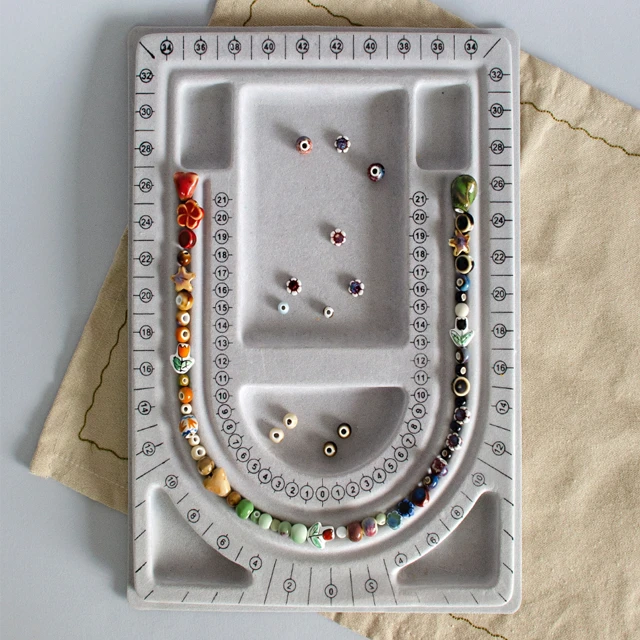


Creating jewelry is an art that requires precision, creativity, and proper material management. Monpacie, as a leader in selling craft supplies, offers Master Classes that teach how to make unique pieces such as the Air Necklace. But what should you do with the leftover beads once the project is finished? Here are several ideas on how to use every bead so that nothing goes to waste.
Storing beads
Organization is key — Keep the remaining beads in a well-organized storage system. Stores like Monpacie offer various solutions, from simple sorting boxes to more advanced drawer systems. Good organization will help you quickly find the beads you need for future projects.
Create smaller projects
Use beads for small creations — Leftover beads are perfect for making small accessories such as earrings, rings, or bracelets. These mini-projects often require only a few beads, making them ideal for using up the remaining materials.
Home decorations
Decorative elements for your home — Beads can also become part of home décor. You can use them to embellish photo frames, create decorative fridge magnets, or decorate pillow covers, adding a creative touch to your interior.
Educational use of beads
Educational projects for children — Beads are great for creative activities with kids. They can be used to teach counting, colors, or even as elements of games such as dominoes or memory.
Donations
Share with others — If you have beads you don’t plan to use, consider donating them to schools, kindergartens, or local craft workshops. Donations can support creativity and artistic education within your community.
Selling leftovers
Sell extra beads — If you have a lot of leftover beads, consider selling them online or at local craft fairs. This is not only a way to make use of them but also a chance to recover part of the money spent on materials.
Summary
Leftover beads don’t have to become useless waste. With the right approach and creativity, every bead can find a new life in another project. Through its Master Classes, Monpacie inspires creative thinking and effective use of every purchased material. This promotes not only economical use of resources but also highlights the value of a sustainable approach to crafting.